

Enabling the Next Industrial Era With Clean Ammonia
Ammonia, without compromise.

This isn’t about improving current processes, we have unlocked a breakthrough technology that reimagines how the world makes ammonia: less infrastructure, less energy, less carbon, more certainty.
This is about bringing fundamentally new ideas to life, starting a new chapter for industry, agriculture, and a better planet.
Why Ammonia Matters
Why Ammonia Matters
205 Million Tonnes Per Year
4 Billion People Fed Worldwide
205 Million Tonnes Per Year

4 Billion People Fed Worldwide

Feeding the World
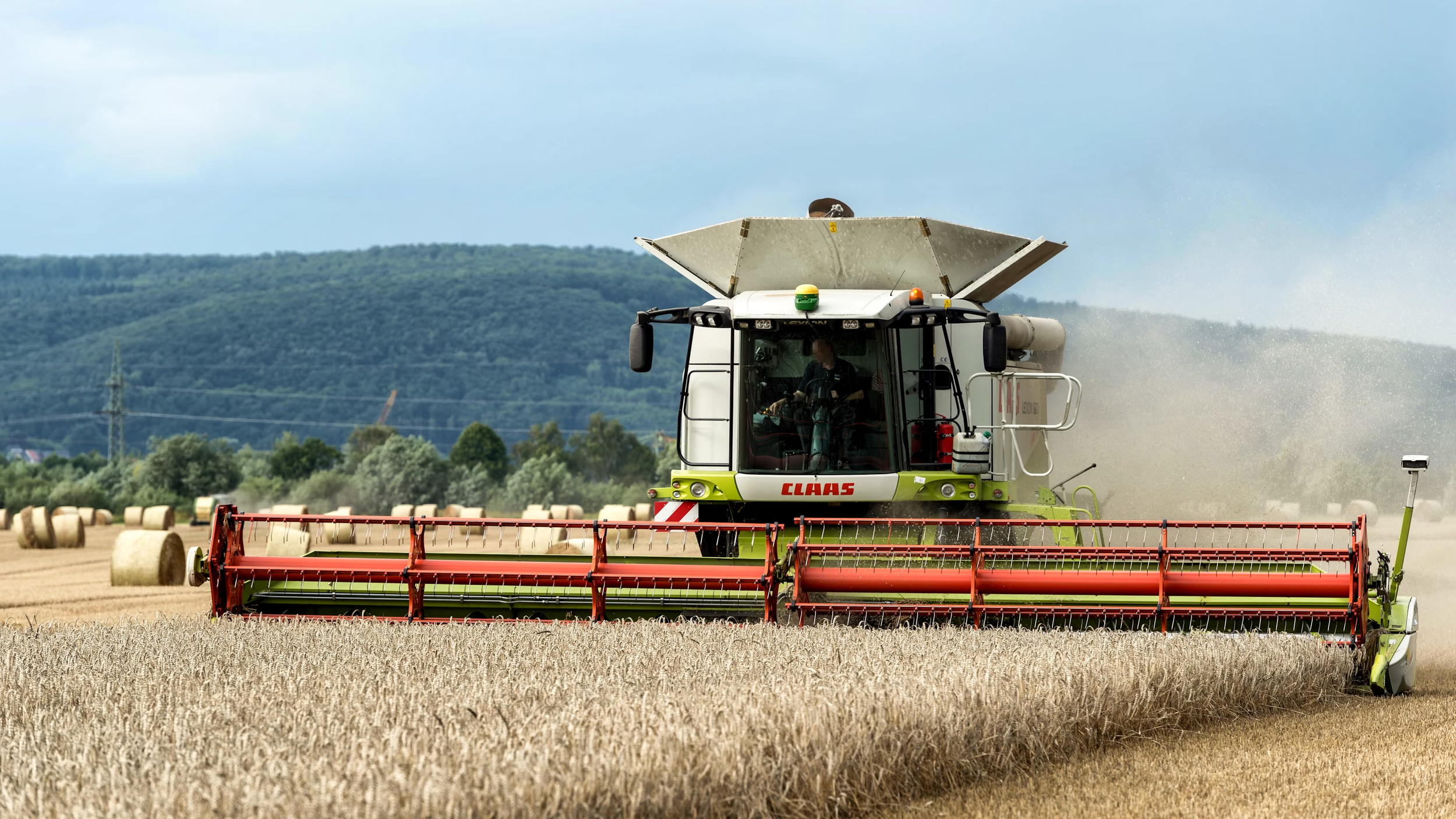
Ammonia has been essential to our civilisation for over 100 years. As one of the most produced chemicals on the planet, 75% of ammonia today is used to make fertilisers, sustaining half of the global population. Without it, we cannot survive.
Climate and Supply Crisis
Fossil fuels have always been the primary ingredient and energy source for ammonia production, consuming ~2% of the world’s energy and releasing significant carbon emissions. More recently, damaged supply chains have impacted import availability of fossil fuels for ammonia production, and fertilisers themselves, critically threatening food production all over the world.
Clean Energy Promise
Ammonia, along with hydrogen, is one of the only fuels available which does not emit carbon when burned. If ammonia can be produced without using fossil fuels, at a low enough cost, it could replace fossil fuels altogether for certain applications like shipping, power generation, industrial heating and metal/mineral processing - sending the demand for ammonia skyrocketing.
Our Breakthrough:
A Step Change for the Industry
World-first air / water
to ammonia catalyst
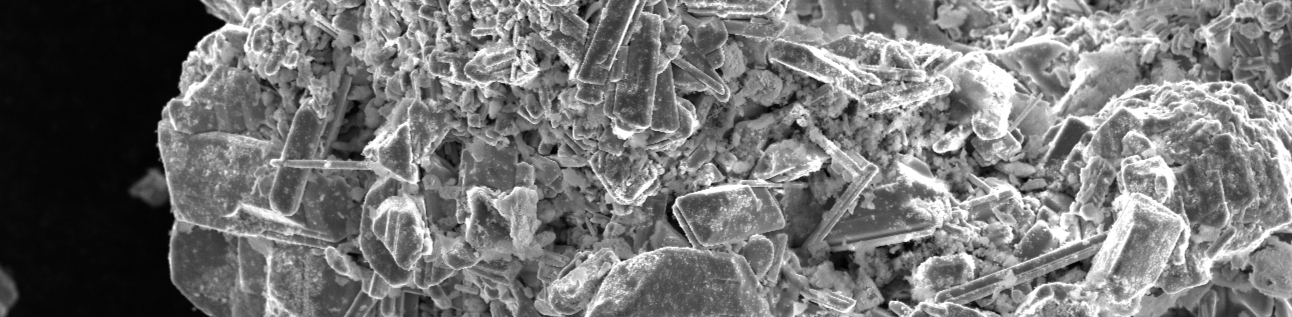
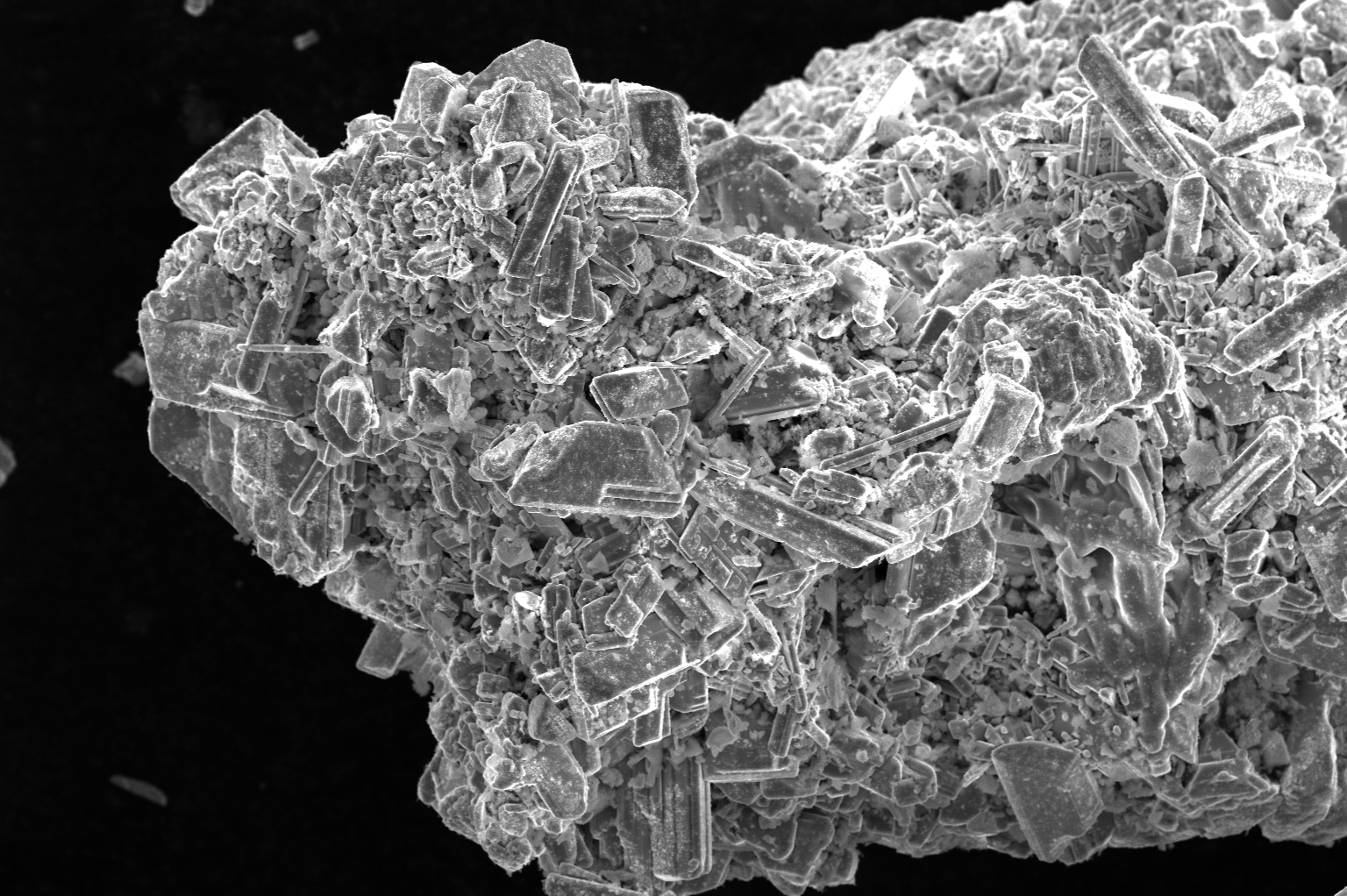
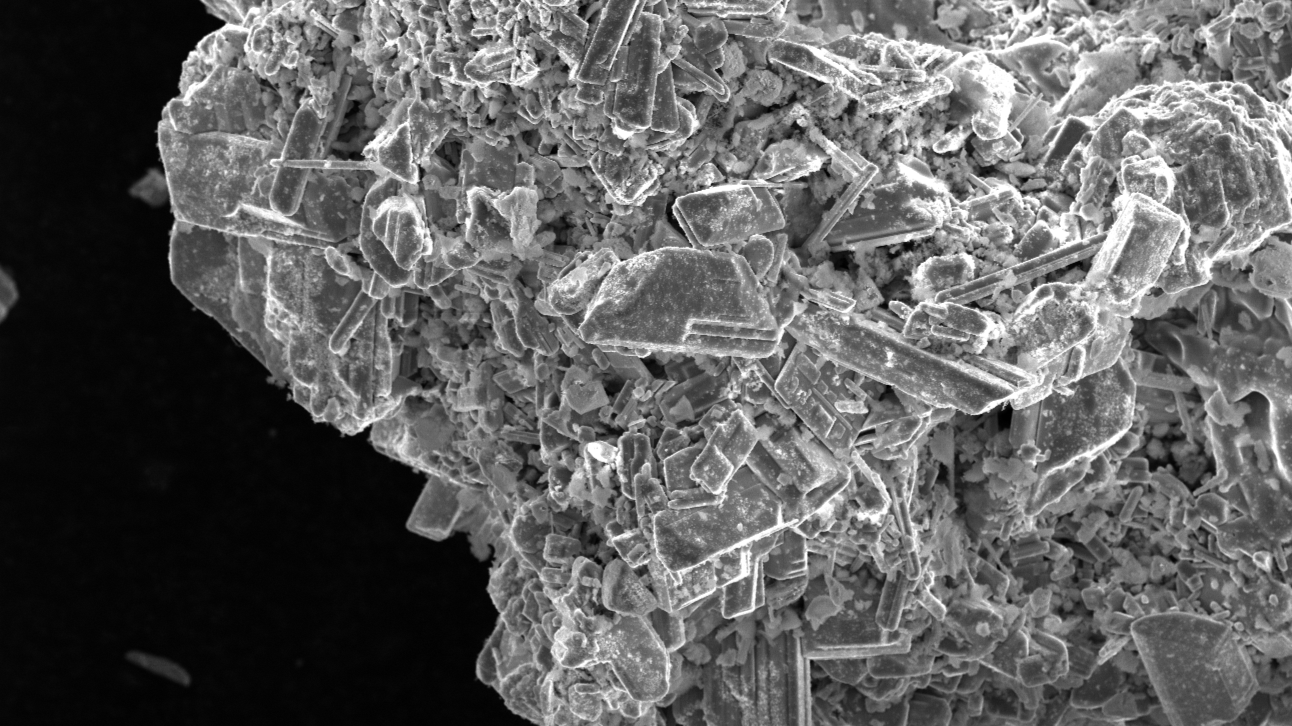
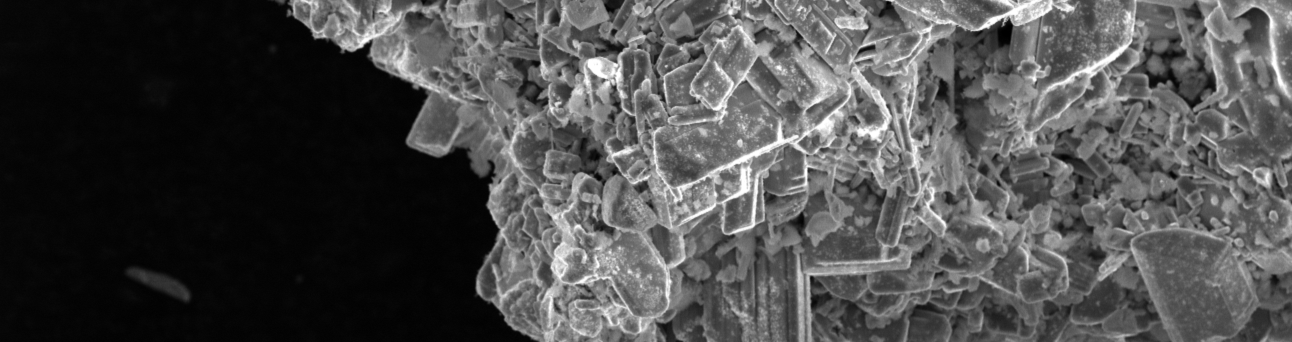
Our unique catalyst unlocks a new way of producing ammonia directly from the air and water we feed it. Nitrogen from air, hydrogen from water, converted straight to ammonia in a single reactor with far less energy, radically driving down costs, slashing emissions and futureproofing the industry.
A new, elegant
A new, elegant
chemical pathway
The catalyst splits the nitrogen bond gently and simultaneously combines it with hydrogen it separates from water, through an alternative series of chemical reactions - rather than by brute force like in industrial Haber-Bosch plants today. This reduces the need for high operating temperatures and pressures, reducing the energy input cost.
chemical pathway
The catalyst splits the nitrogen bond gently and simultaneously combines it with hydrogen it separates from water, through an alternative series of chemical reactions - rather than by brute force like in industrial Haber-Bosch plants today. This reduces the need for high operating temperatures and pressures, reducing the energy input cost.
Scalable, simplified
Scalable, simplified
plant design
Without the need for dedicated hydrogen production, we have eliminated the need for steam methane reformation or electrolyser stacks. This not only reduces the capital cost and maintenance of the plant but also removes major waste-heat sources; the primary cause of energy loss in industrial plants. Our design uses engineering components and infrastructure available at industrial scale today, leveraging economy of scale to drive end-to-end efficiency up and cost of production down.
plant design
Without the need for dedicated hydrogen production, we have eliminated the need for steam methane reformation or electrolyser stacks. This not only reduces the capital cost and maintenance of the plant but also removes major waste-heat sources; the primary cause of energy loss in industrial plants. Our design uses engineering components and infrastructure available at industrial scale today, leveraging economy of scale to drive end-to-end efficiency up and cost of production down.
Our technology seeks to be cheaper than grey ammonia on economics alone - no carbon pricing involved.
Scalable ammonia production with no emissions and secure feedstock supply, at a lower cost than fossil alternatives.
Simple.
Where it Works

Fertiliser Production
Feeding the World: 70% of ammonia today goes into fertilisers, producing half of the food needed to sustain the global population.
Next-Generation Clean Fuel
Storing Renewables: Ammonia is one of the densest carriers of hydrogen, paving a new way to economically store and ship clean energy across the globe.
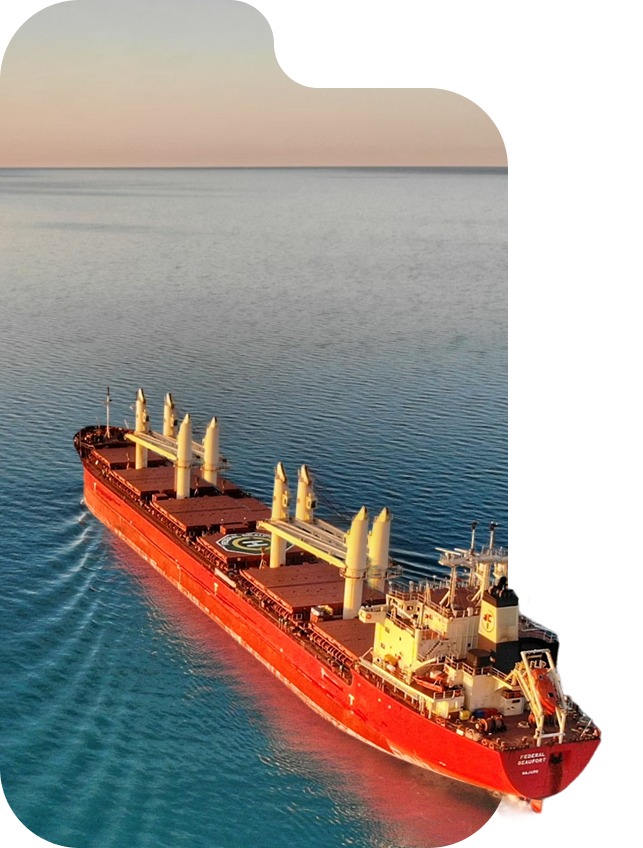
Powering Tomorrow: With no carbon emissions when burned, clean ammonia is set to replace fossil fuels in marine shipping, power generation, industrial heating and metal/mineral processing - a fuel for the future.
Powering Tomorrow: Releasing no carbon emissions when burned, ammonia is set to replace fossil fuels in marine shipping, power generation, industrial heating and metal/mineral processing - a fuel for the future.
Hydrogen & Energy Storage


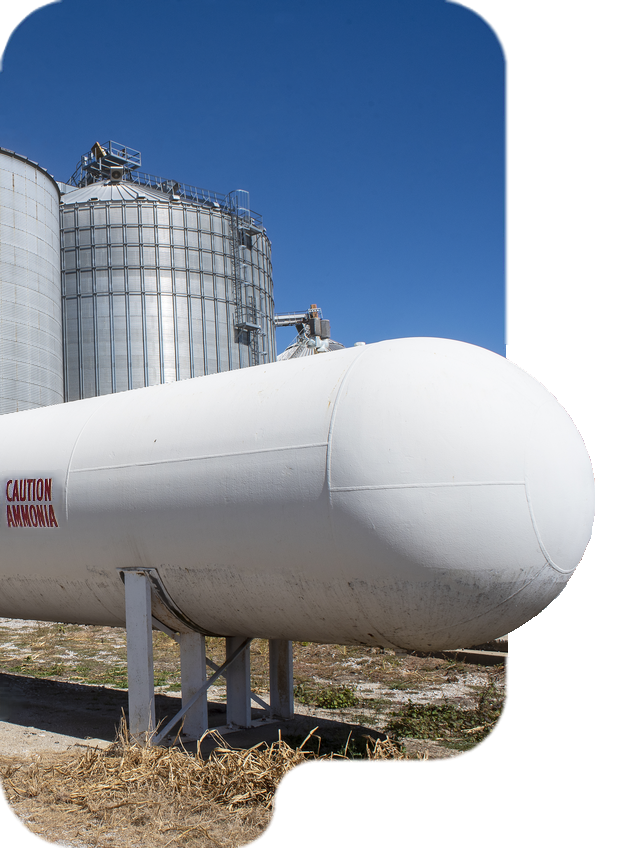
Feeding the World: 70% of ammonia today goes into fertilisers, producing half of the food needed to sustain the global population.
Next-Generation Clean Fuel
Fertiliser Production
Hydrogen & Energy Storage
Storing Renewables: Ammonia is one of the densest carriers of hydrogen, paving a new way to economically store and ship clean energy across the globe.

Ready to create something extraordinary?

Partner with the team looking to flip the chemicals industry on its head.